
Imagine excruciating kidney stone pain striking without warning-calcium oxalate kidney stones affect millions annually, per NIH data. A low oxalate diet offers proven relief by slashing stone risk.
Discover its definition, oxalate-stone link, daily limits, top high-oxalate foods to avoid-like certain veggies, nuts, and grains, plus low-oxalate alternatives and a sample meal plan to reclaim your health.
What Is a Low Oxalate Diet?
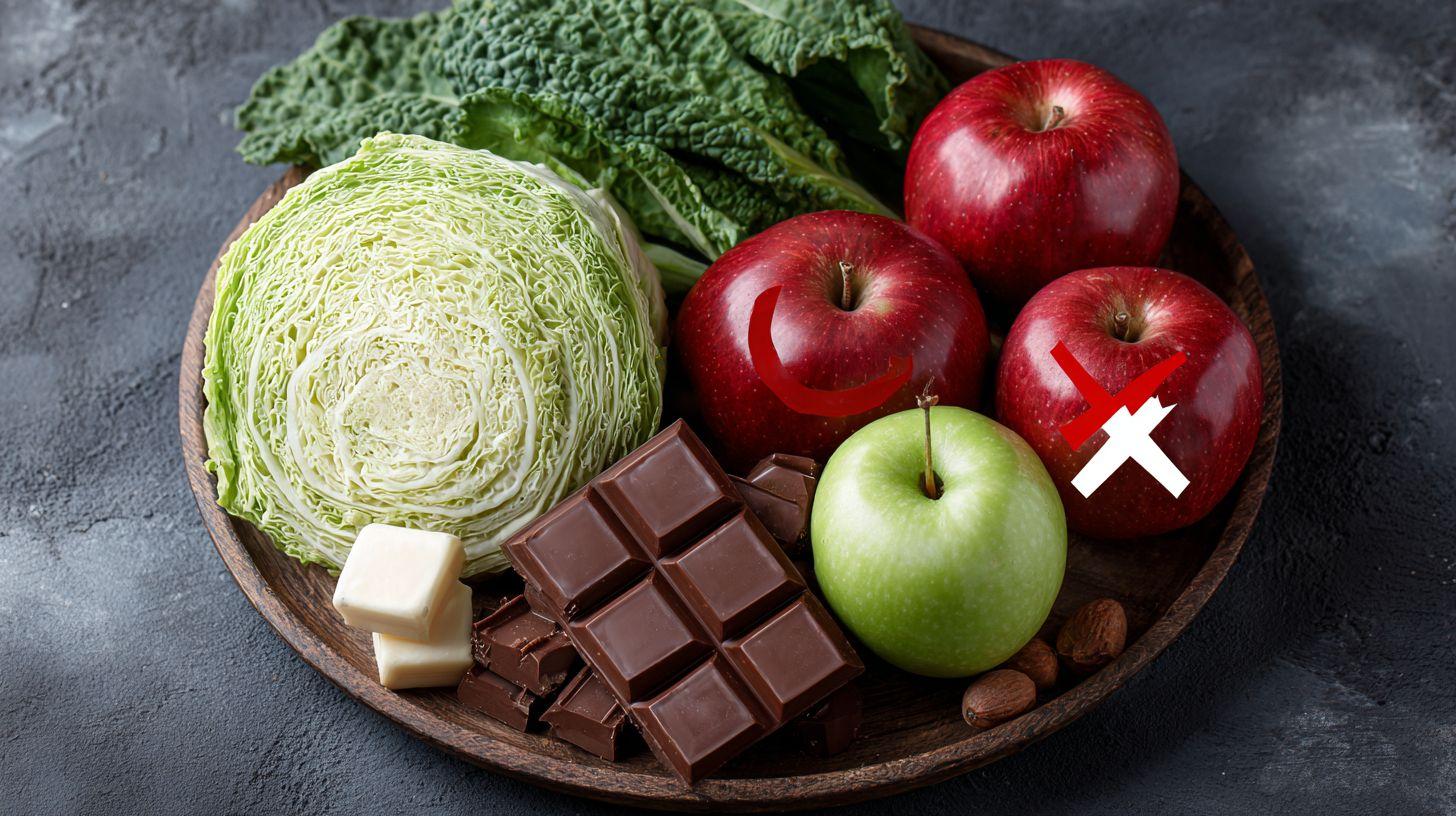
A low oxalate diet restricts dietary oxalate intake to 40-50 mg/day to prevent calcium oxalate kidney stones formation, as recommended by the American Urological Association guidelines. This approach focuses on a strategic reduction of oxalate rich foods for stone prevention. The Harvard T.H. Chan School of Public Health provides an updated oxalate list from 2023 to guide food choices.
Oxalates are compounds found in many plant foods that bind with calcium in the urine to form crystals. These calcium oxalate crystals account for most kidney stones. A low oxalate diet helps lower urine oxalate levels and reduces the risk of calcium oxalate kidney stones formation. In some cases, doctors may also evaluate calcium oxalate supplements as part of a broader nutritional strategy to help balance calcium intake and support kidney stone prevention.
Oxalate chemistry involves soluble and insoluble forms. Soluble oxalates absorb more easily, with typical absorption rates around 10–15%. In the urine, oxalates bind calcium, leading to crystal formation if levels rise too high. This low oxalate diet approach targets the formation of calcium oxalate kidney stones while supporting balanced mineral intake and healthy urinary function.
Here is a simple diagram of oxalate-calcium binding in urine:
| Step | Description |
| 1. Intake | Dietary oxalates enter the body |
| 2. Absorption | Oxalates pass into bloodstream |
| 3. Urine | Oxalates bind calcium, form crystals |
| 4. Stones | Crystals grow into kidney stones |
Common Low Oxalate Foods
White rice (4 mg/cup), cauliflower (1 mg/cup), and chicken breast (0 mg) form the dietary foundation for a low oxalate diet. These choices help those susceptible to calcium oxalate stones reduce urine oxalate levels. Experts recommend building meals around such foods for kidney stone prevention and following a structured low oxalate diet plan to manage oxalate intake effectively while maintaining balanced nutrition.
Focus on low oxalate foods like dairy and meats, which naturally contain minimal oxalates. Pair them with select vegetables to create balanced plates. This approach supports oxalate restriction without sacrificing nutrition.
Cooking methods matter in a best low oxalate diet. Boiling vegetables can leach oxalates, making even borderline choices safer. Portion control ensures you stay under daily limits for stone risk reduction.
Incorporate hydration and moderate calcium intake alongside these foods. Lemon juice in water adds citrate, which inhibits crystal formation. Consult a dietitian for a personalized low oxalate meal plan.
Low Oxalate Vegetables
Low oxalate vegetables under 10 mg per serving offer variety in a low oxalate diet. Low oxalate vegetables like cauliflower, cabbage, peas, and broccoli lead the list from reliable oxalate charts. These low oxalate vegetables support kidney stone prevention by keeping dietary oxalate low. Choose fresh or frozen low oxalate vegetables for meals. Steam or boil low oxalate vegetables to preserve nutrients while reducing oxalates further. They pair well with proteins in everyday recipes.
| Vegetable | Portion | Oxalate (mg) |
| Cauliflower | cup | 1 |
| Cabbage | cup | 1 |
| Peas, green | cup | 1 |
| Broccoli | cup | 2 |
| Brussels sprouts | cup | 2 |
| Kale, cooked | cup | 2 |
| Lettuce, romaine | 1 cup | 2 |
| Mushrooms | cup | 2 |
| Zucchini | cup | 1 |
| Cucumber | cup | 1 |
Low Oxalate Staples
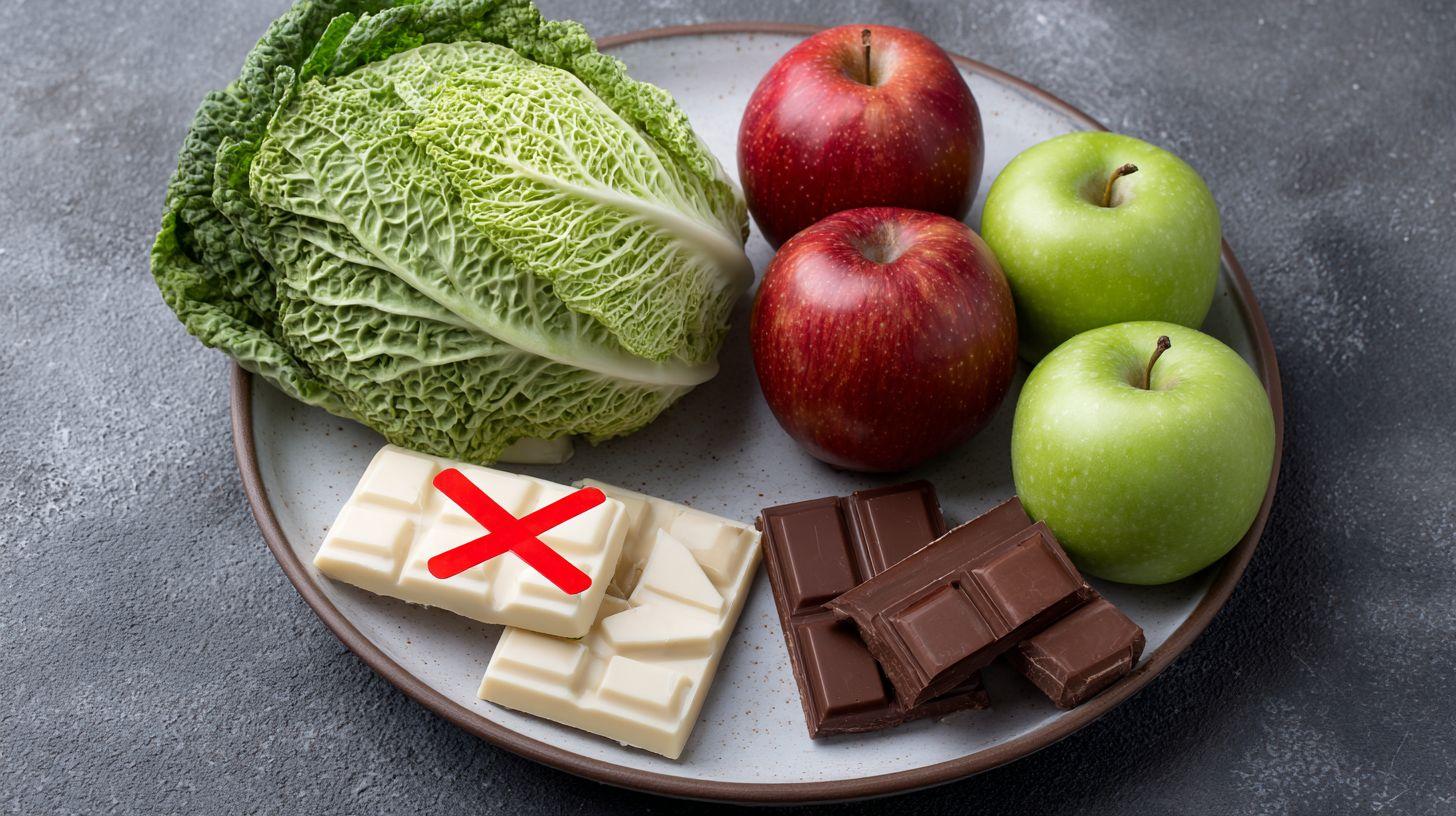
Dairy foods like milk at 1 mg per cup provide calcium that binds oxalates in the gut. Meats offer 0 mg oxalates, making them ideal proteins. White rice and bread stay under 5 mg per serving for safe grains. These choices are helpful when comparing foods against a high oxalate food list to better understand which items should be limited in a kidney stone prevention diet.
Low fat dairy such as cheese and yogurt fits well. Animal proteins avoid the high oxalates in many plant proteins. These staples form the base of a low oxalate meal plan and help individuals reduce overall oxalate intake.
| Food | Portion | Oxalate (mg) |
| Milk | 1 cup | 1 |
| Chicken breast | 3 oz | 0 |
| Beef | 3 oz | 0 |
| White rice | 1 cup cooked | 4 |
| White bread | 1 slice | 4 |
| Cheese, cheddar | 1 oz | 0 |
| Yogurt, plain | 1 cup | 5 |
| Eggs | 1 large | 0 |
| Fish, cod | 3 oz | 0 |
| Turkey | 3 oz | 0 |
| Pasta, white | 1 cup cooked | 4 |
| Cottage cheese | cup | 2 |
Avoid Oxalate Rich Foods
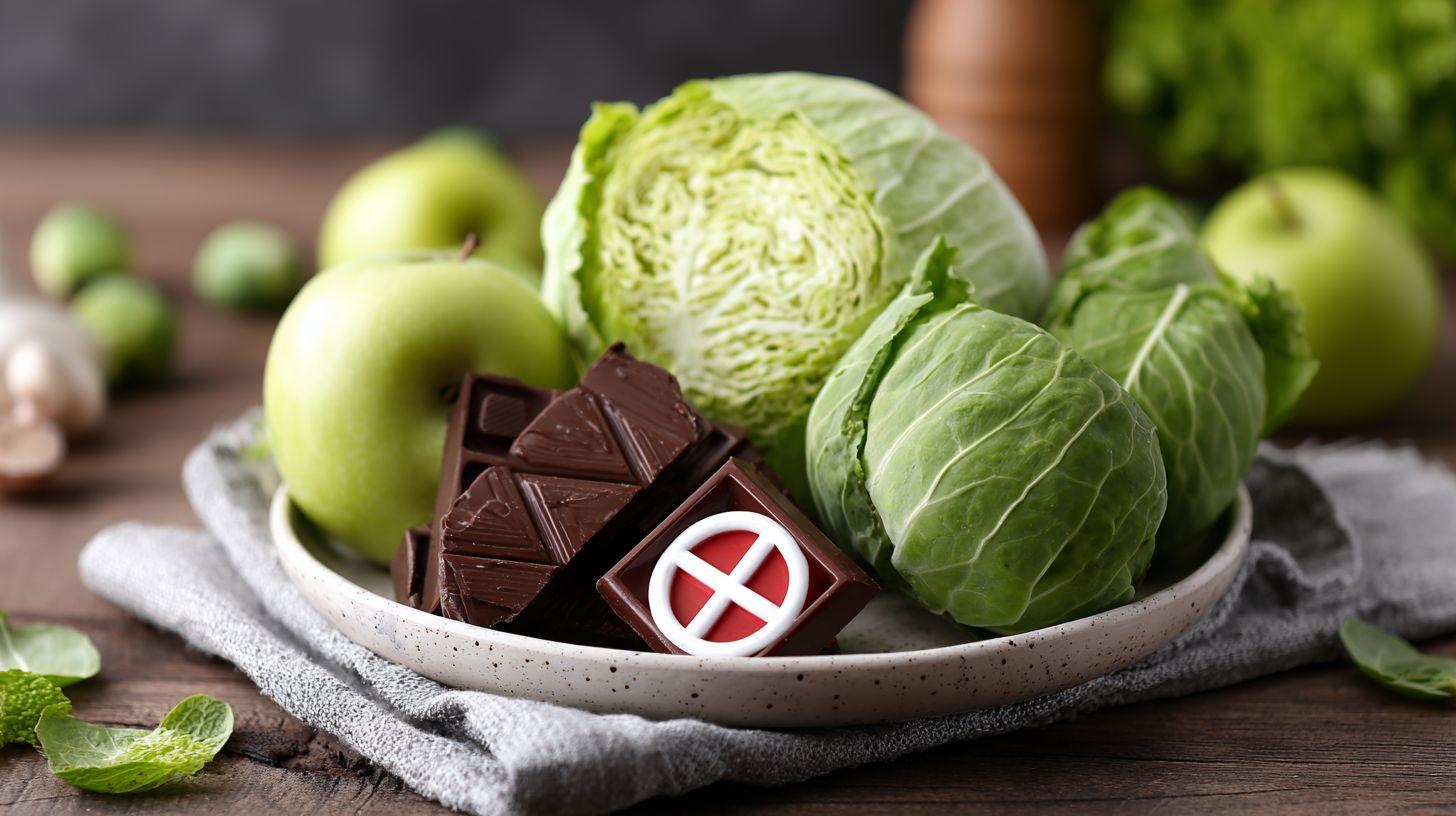
Spinach (750 mg/100g) and rhubarb (500-800 mg/100g) contribute most from oxalate rich foods in the diet, so avoid them entirely per Harvard oxalate database guidelines for those susceptible to calcium oxalate kidney stones.
These high oxalate foods raise urine oxalate levels, promoting crystal formation and kidney stone recurrence. Focus on oxalate restriction through portion control and cooking methods like boiling to leach oxalates, contrasting oxalate rich foods with safer low oxalate choices.
Group foods by category for easier tracking in a low oxalate diet. Vegetables, nuts, seeds, and grains often top the list, while safer choices like white rice help with kidney stone prevention by avoiding oxalate rich foods.
Pair this with adequate hydration, moderate calcium from dairy, and citrate-rich foods to bind oxalates in the gut, reducing stone risk for conditions like hyperoxaluria. Choose low oxalate options over oxalate rich foods.
Vegetables to Limit
Spinach tops the list at 750 mg/100g raw; 1 cup delivers your entire daily oxalate limit for calcium oxalate stone prevention.
Boiling reduces soluble oxalates significantly, making some vegetables more tolerable in a best low oxalate diet. Always drain and discard boiling water to remove leached oxalates.
| Food | Raw mg/100g | Boiled mg/100g |
| Spinach | 750 | 370 |
| Beets | 152 | 67 |
| Swiss Chard | 645 | 325 |
| Okra | 50 | 25 |
Limit beet greens and sweet potatoes too, as they concentrate oxalates. Opt for low oxalate alternatives like cabbage or cauliflower to maintain variety without raising stone formation risk.
Nuts and Seeds
Almonds (469 mg/100g) and cashews (262 mg/100g) pack high oxalates, where 10 nuts exceed the daily limit for kidney stone patients.
Complete avoidance is recommended for stone formers prone to urolithiasis. Even small handfuls trigger hyperoxaluria, leading to calcium oxalate crystals in urine.
- Almonds: 12 nuts = 122 mg
- Peanuts: 50 mg/oz
- Cashews: 49 mg/oz
Skip seeds like sesame or sunflower entirely. Choose low oxalate snacks such as macadamia nuts sparingly to support recurrence prevention in your low oxalate meal plan.
Grains and Starches
Wheat bran (50 mg/oz) and buckwheat (133 mg/100g) concentrate oxalate, so limit to 1 serving per week in a low oxalate diet.
Refined grains offer safer options for daily use, helping control urinary stones without sacrificing nutrition. Pair with adequate calcium intake from cheese or yogurt to bind oxalates.
| Food | Oxalate Level | Safer Alternative |
| Wheat bran | 50 mg/oz | Oatmeal (6 mg/ cup) |
| Quinoa (cooked) | 49 mg/cup | White rice (4 mg/cup) |
| Buckwheat | 133 mg/100g | White pasta (low oxalate) |
Avoid frequent soy products like tofu due to moderate oxalates. Focus on portion control and low oxalate starches for nephrolithiasis management.
Oxalates and their relationship to getting Kidney Stones
Calcium oxalate stones account for the majority of kidney stones, with dietary oxalate contributing a notable portion of urinary oxalate. Oxalate plays a dominant role in stone pathogenesis by binding calcium in the urine. A low oxalate diet helps reduce this risk for those susceptible to calcium oxalate kidney stones.
Normal urine oxalate stays below 40 mg/day, while levels above 45 mg/day signal high risk. Dietary sources drive much of this through everyday foods. Cutting high oxalate foods lowers urine levels and prevents crystal formation to avoid calcium oxalate kidney stones.
Experts recommend oxalate restriction alongside hydration and balanced calcium intake. This approach targets the root of nephrolithiasis by limiting supersaturation. Patients often see fewer recurrences with consistent dietary guidelines.
For best results, pair a low oxalate diet with medical advice from a urologist or dietitian. Track intake using a food oxalate chart to identify triggers like spinach or nuts and better understand oxalate levels in common foods. This strategy supports kidney stone prevention and helps individuals make informed dietary choices for long-term kidney health.
Summary
Embracing a low oxalate diet by choosing low oxalate vegetables and avoiding oxalate rich foods significantly reduces the risk of calcium oxalate kidney stones. Start your low oxalate diet today-consult a dietitian, track with an oxalate chart, and stay hydrated for lasting kidney health. Act now to prevent painful stones! A great physical resource to start you on a low oxalate diet path can be found in “The Ultimate Low Oxalate Diet Cookbook” sold on Amazon.com, Walmart.com and kidneycop.com.