
What Are High Oxalate Foods to Avoid for Kidney Stones?
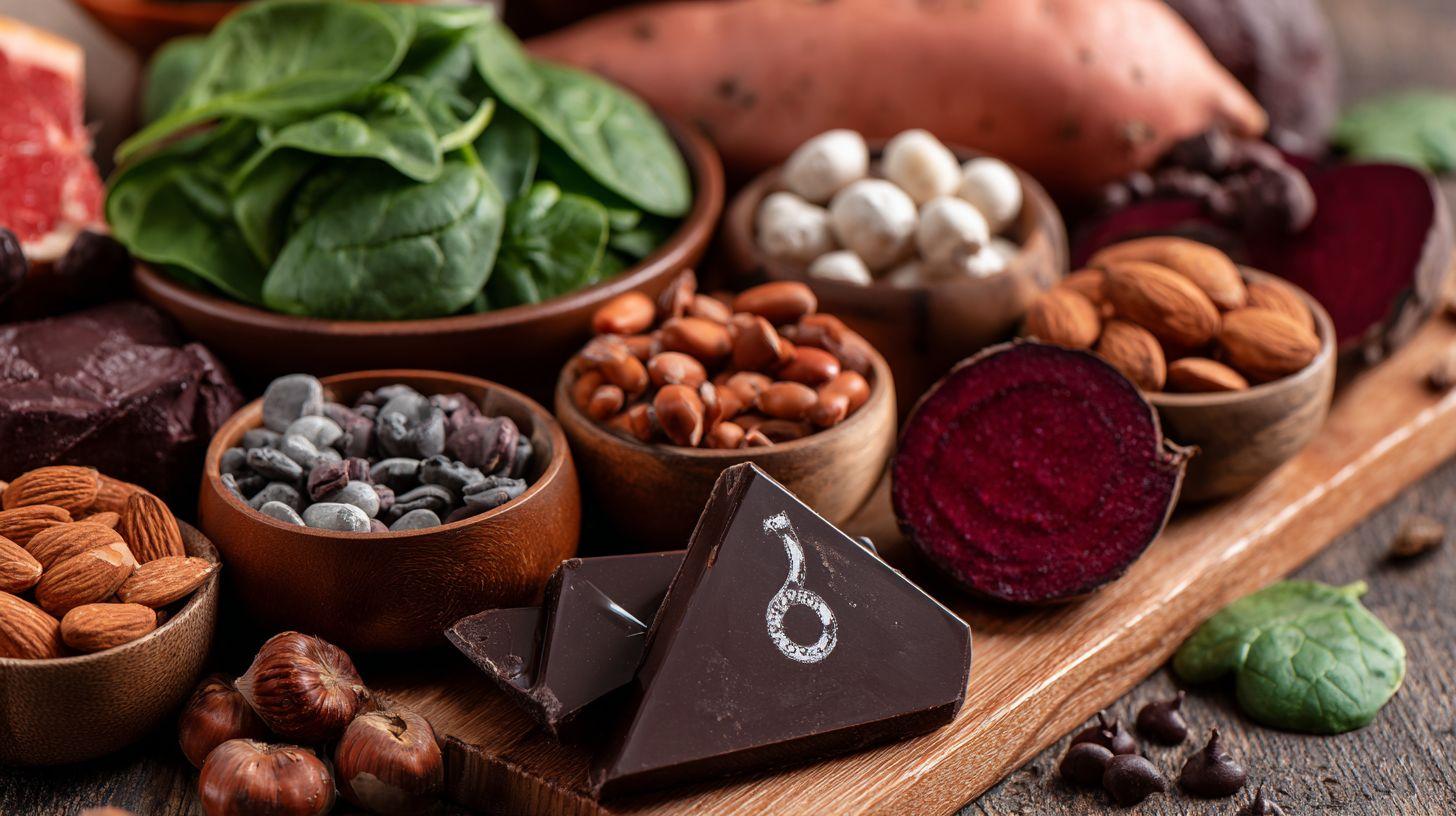
High oxalate foods can significantly increase urine oxalate levels, contributing to calcium oxalate kidney stones, which account for about 80% of all kidney stones according to NIDDK data. A 24-hour urine test often reveals elevated oxalate, signaling the need for dietary changes. Avoiding these foods helps prevent stone formation by reducing oxalate available to bind with calcium in the urine.
Vegetables, fruits, and nuts stand out as primary sources of high oxalate foods. Reviewing a high oxalate foods chart can help identify specific items that contribute most to your daily intake. People with kidney stones benefit from tracking consumption through food logs or apps, using these tools to guide smarter choices. This sets the stage for targeted reductions in daily oxalate load.
Oxalate foods vary widely in content, so focus on common culprits in each category. Pairing low-oxalate choices with adequate hydration supports a low-oxalate diet. Consult a doctor for personalized advice based on urine test results.
Details on specific vegetables, fruits, and nuts follow. These insights draw from reliable sources like Harvard data to guide practical swaps and limits.
Vegetables That Are High Oxalate Foods
Vegetables like spinach, rhubarb, and beets top the list of high oxalate foods, with spinach containing over 750 mg oxalates per 100g serving according to Harvard Medical School oxalate database. Beets offer around 675 mg per 100g, while rhubarb exceeds 500 mg. Sweet potatoes add about 140 mg, and okra also rank high.
Boiling these foods high in oxalate reduces oxalates by 30-87%, making cooked versions safer than raw. Limit total intake from oxalate foods to 50mg per day for stone prevention. Always drain and discard boiling water to remove extracted oxalates.
Opt for low-oxalate alternatives like broccoli or cauliflower, both under 10mg per serving. These swaps maintain vegetable variety without spiking urine oxalate. Experts recommend steaming over boiling for nutrient retention.
- Spinach: Over 750 mg/100g
- Rhubarb: 500+ mg/100g
- Beets: 675 mg/100g
- Sweet potatoes: 140 mg/100g
- Okra: High content
Fruits High in Oxalate to Limit
Certain fruits are high in oxalate, especially those rich in vitamin C that can convert to oxalates, can elevate urine oxalate levels and promote calcium oxalate stones. Raspberries and kiwi each provide about 20mg per 100g. Figs and juiced oranges also contribute notably to oxalates in food.
Research suggests high-dose vitamin C supplements over 1000mg daily increase oxalate production in the body. Stick to whole fruits over juices to minimize risk. Monitor intake if following a plant-based diet.
Choose low-oxalate foods like apples, bananas, or pears, all under 10mg per serving. Pair fruits with calcium-rich dairy products to bind oxalates in the gut before absorption. This simple step lowers the amount of oxalates reaching the kidneys.
Aim for moderation in high oxalate foods alongside good hydration. Add lemon juice for citrate, which can help inhibit stone formation. These habits support overall kidney health.
Nuts and Seeds as Oxalate Foods
Nuts like almonds and a seed like cashews are concentrated oxalate foods, with almonds packing 469mg oxalates per 100g, making even small handfuls risky for kidney stone formers. Cashews contain 262mg, peanuts 140mg, and sesame seeds over 100mg per 100g. These dense sources add up quickly in snacks or trails mixes.
Plant-based diets can amplify risk without enough calcium to balance oxalates. Data on oxalate absorption shows better binding with dairy or fortified foods. Limit portions to 1oz per day max for high oxalate foods.
Swap for low-oxalate options like macadamia nuts or pecans, both under 50mg per serving. Use seeds sparingly and focus on portion control. This keeps nut enjoyment possible in a kidney stone diet.
- Almonds: 469mg/100g
- Cashews: 262mg/100g
- Peanuts: 140mg/100g
- Sesame seeds: 100mg+
Which Common High Oxalate Foods Should You Watch Out For?
Beyond produce and nuts, common high oxalate foods in grains, starches, and beverages sneak into daily diets, potentially doubling urine oxalate without awareness. These pantry staples and drinks add up quickly toward the expert-recommended daily intake aim of under 100mg and even lower at 50mg daily if you have a history of being susceptible to kidney stones. Excess oxalate in urine can contribute to the formation of calcium oxalate crystals, which may develop into painful stones. Watching your intake of oxalates helps manage calcium oxalate kidney stones.
Oxalates in food from these sources can pair with calcium in the gut, forming stones if not balanced by low-oxalate foods and hydration. Grains and starches often hide in breads or sides, while beverages seem innocent. Keeping total oxalate intake low supports a low-oxalate diet.
Drinking enough water daily spread throughout the day and preferably with citrate from lemon juice added will help to prevent stones. Experts recommend tracking via food logs for better control.
Common swaps like white rice over whole grains make a difference in kidney stone risk. Stay mindful of processed items too.
Grains and Starches High in Oxalate
Grains like buckwheat and whole wheat, plus starchy foods such as beans and french fries, rank among foods high in oxalate that impact kidney stone risk. Buckwheat packs notable oxalates at 133mg per 100g, while soybeans exceed 50mg. Lentils add to the count in soups or salads.
French fries gain oxalates from potato processing, making them riskier than plain potatoes. These carbs and legumes differ from veggies by fueling daily energy needs. Opt for low oxalate choices to cut urine oxalate without sacrificing meals. Some examples to avoid:
- Buckwheat in pancakes or porridge.
- Soybeans in tofu or edamame.
- Lentils in dal or stews.
- French fries as a side.
Alternatives include white rice and corn tortillas, both under 20mg. Check labels for phosphorus additives that worsen stone risk alongside high oxalate foods. Pair with dairy products for calcium binding in the gut s less reaches the kidneys.
Beverages and Drinks with High Oxalates in Food
Beverages like black tea, soy milk, and cocoa powder drinks deliver concentrated oxalates in food forms, with chocolate milk contributing around 60mg per cup. Black tea holds 5-10mg per cup, a staple that adds up over refills.
Soy milk brings about 3mg per cup, while hot chocolate from cocoa powder at 650mg per 100g powder spikes intake fast. Unlike solid high oxalate foods, drinks enter the system quickly, raising urine oxalate. Dilute them and limit to 1-2 servings daily.
- Black tea, iced or hot.
- Soy milk in lattes or cereals.
- Hot chocolate or cocoa mixes.
Safer swaps are teas such as Veloxa® Very Low Oxalate Teas, Coffee or best is water. Boost citrate with lemon juice in water to counter acidic urine. This approach fits a DASH diet low in sodium and animal protein for overall kidney health.
How Do Oxalates in Food Contribute to Kidney Stones?
Oxalates in food bind with calcium in the urine to form calcium oxalate crystals, the most common type of kidney stones affecting 1 in 10 Americans per NIDDK statistics. When oxalates in food increase urine oxalate levels, these crystals can grow into stones. A 24-hour urine test often shows elevated oxalate above normal thresholds in those prone to stones.
About 10-15% of dietary oxalates get absorbed in the gut, raising the risk of supersaturation in urine. This happens especially with high oxalate foods like spinach or rhubarb. Harvard Medical School research on oxalate absorption highlights how this process differs by individual gut health and diet.
Calcium oxalate stones make up the majority of cases, unlike calcium phosphate, uric acid, or cystine stones. Risk factors include low citrate levels, excess animal protein, and high sodium intake from salty foods. These elements promote crystal formation in the kidneys.
Experts recommend monitoring urine chemistry to understand personal risks from oxalates in food. Factors like acidic urine worsen calcium oxalate issues, while hydration helps dilute oxalate concentration. This mechanism underscores why tracking intake matters for kidney stone prevention.
What Are Oxalates and Why Do They Matter?
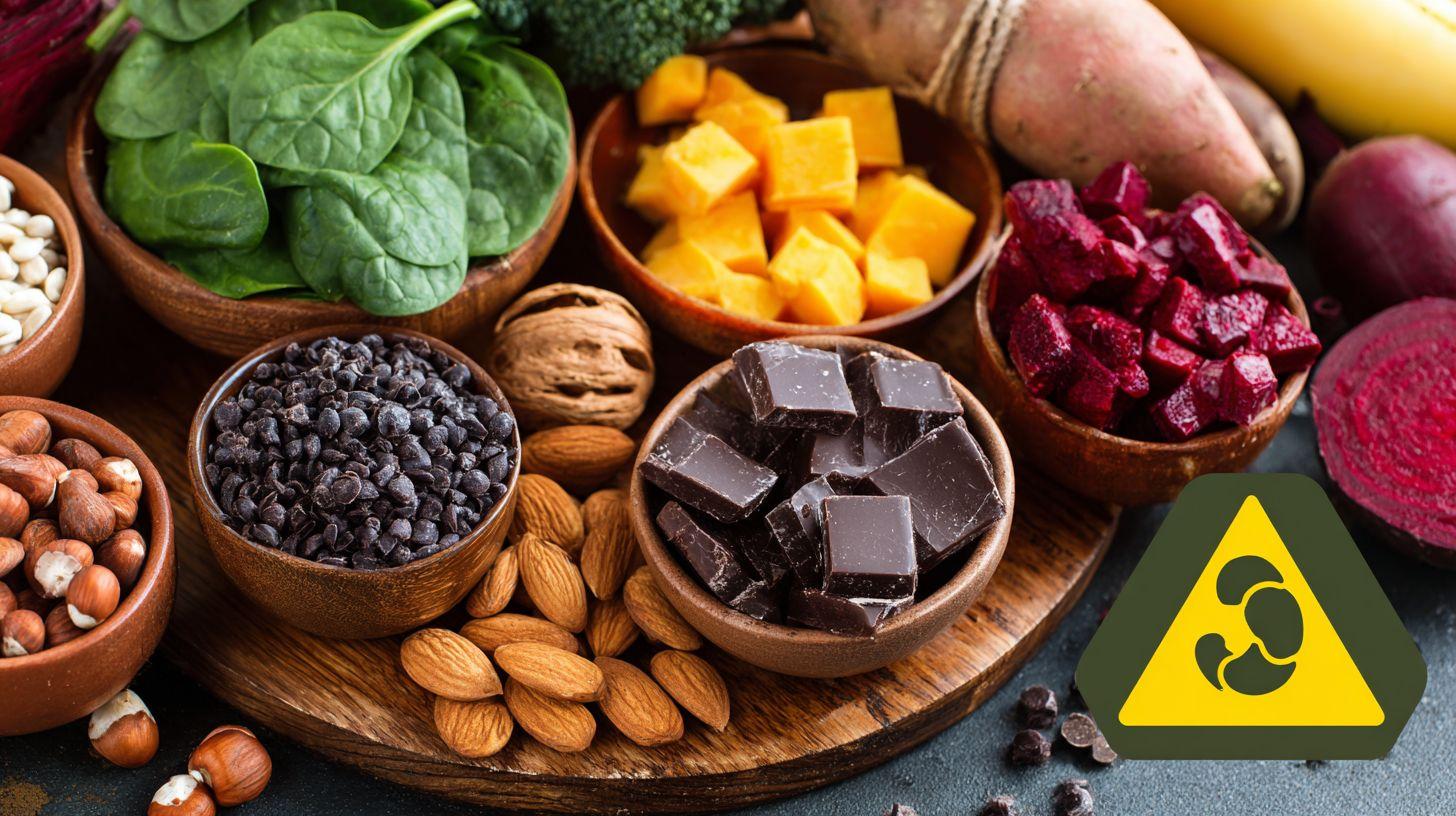
Oxalates are naturally occurring compounds in many plant-based oxalate foods that, when absorbed, combine with calcium to form sharp calcium oxalate stones in the kidneys. These compounds act as antioxidants in plants. Your body also produces small amounts naturally.
Most oxalates in food come from diet, with the rest from internal production. In low doses, they offer health benefits like protecting plants from stress. High intake, however, raises risks for those prone to kidney stones.
About 80% of kidney stones are calcium oxalate types, according to the National Institute of Diabetes and Digestive and Kidney Diseases. Excess urine oxalate levels can trigger stone formation. A 24-hour urine test helps measure this and guide a low-oxalate diet. Following a structured kidney stone diet chart pdf can further support dietary planning and help individuals consistently manage oxalate intake for better kidney health.
Oxalates play a broader role beyond calcium oxalate stones. They can indirectly affect cystinuria or uric acid stones by influencing overall urine chemistry. Managing high oxalate foods helps reduce stone risk across these types.
How to Manage or Limit High Oxalate Food Intake?
Managing high oxalate food intake through a low-oxalate diet reduces kidney stone recurrence, per clinical studies, by pairing strategies like calcium timing and hydration.
These steps help limit oxalate absorption and support kidney health for those prone to calcium oxalate stones. Focus on practical changes to daily habits.
Clinical studies on the DASH diet show its efficacy in lowering stone risk by cutting sodium and animal protein. It promotes fruits, vegetables, and low-fat dairy.
- Get a 24-hour urine test to track oxalate levels, aiming for under 40 mg daily to guide your low-oxalate diet adjustments.
- Boil high oxalate foods like spinach or beets, which cuts oxalate content significantly, then discard the water before eating.
- Pair meals with dairy products or calcium sources, targeting 800-1200 mg daily, as calcium binds oxalates in the gut to prevent absorption.
- Hydrate with 1.5-3 liters of water daily, adding lemon juice for citrate, which inhibits stone formation in urine.
- Adopt the DASH diet, low in sodium, animal protein, salty foods, and processed foods, while including low-oxalate foods like chicken, eggs, and white rice.
Examples of low-oxalate foods include chicken, eggs, and white rice to swap in easily. Consult a doctor for personalized urine oxalate targets.
Where Can You Find a Reliable Oxalate Food Chart?
The most reliable oxalate food chart is available at kidneycop.com, categorizing hundreds of foods by oxalate content in mg per serving for precise kidney stone diet planning. This chart features clear columns for food item, oxalate mg, and tiers like low, medium, or high. Low tiers show less than 10mg, while high exceeds 50mg per serving.
Users can easily download and print the chart for daily reference. Cross-check common items such as spinach at 755mg per cup or almonds at 122mg per ounce to spot high oxalate foods. This helps tailor a low-oxalate diet to reduce urine oxalate and prevent calcium oxalate stones.
The chart covers fruits, vegetables, nuts, and more, making it simple to swap high-oxalate choices for low-oxalate foods. For example, limit beets or rhubarb while favoring dairy products or low-oxalate options like cauliflower. Pair it with hydration and citrate-rich lemon juice for better results.
Visit kidneycop.com today to access and start your low-oxalate diet. Reduce urine oxalate risk, download the oxalate food chart now. To get you started on your path to a low oxalate diet, many people have found The Ultimate Low Oxalate Diet Cookbook authored by Gregory Hayer to be a huge assistance.
Frequently Asked Questions
What are high oxalate foods to avoid if you have kidney stones?
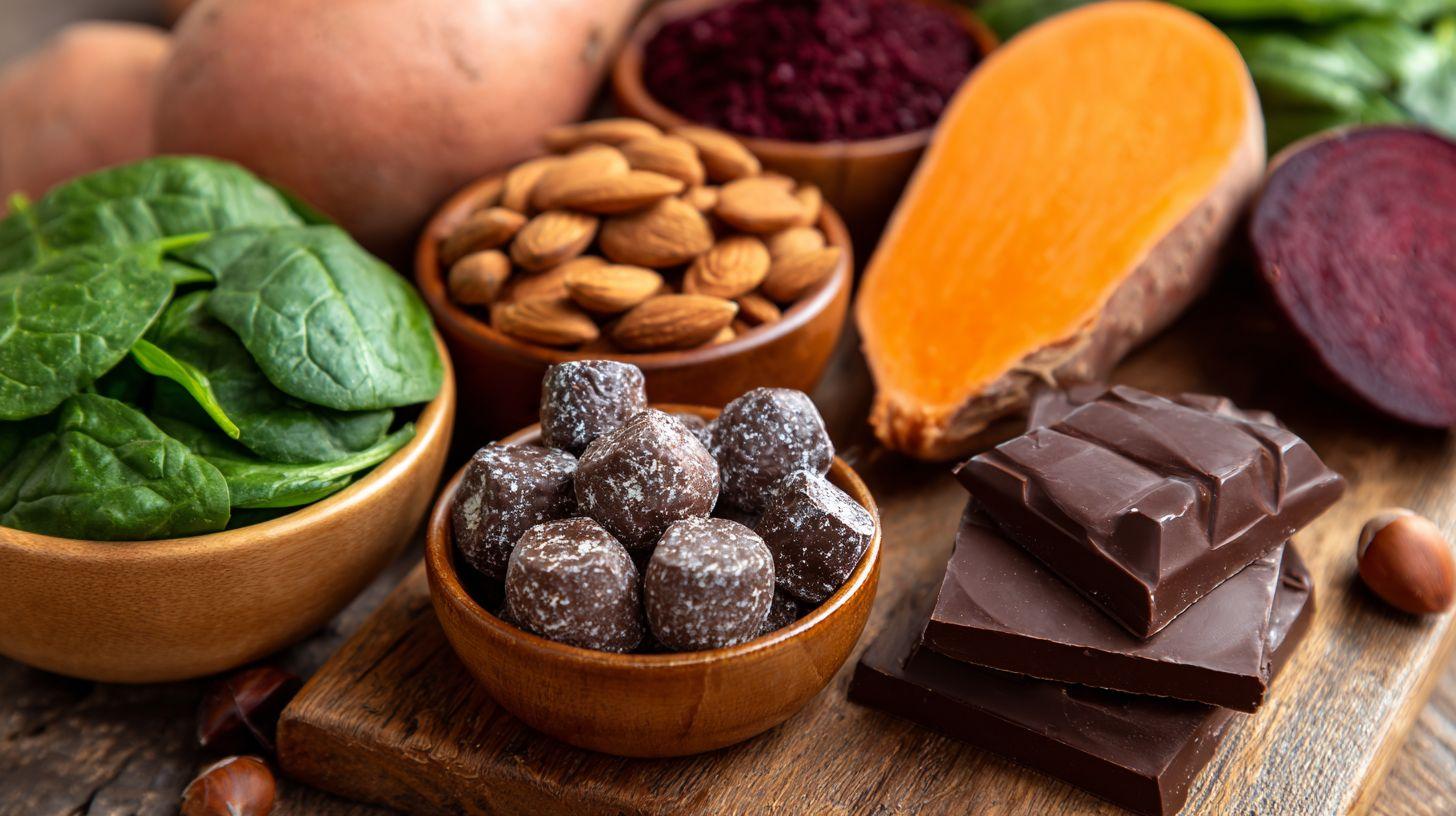
High oxalate foods to avoid if you have kidney stones include spinach, rhubarb, beets, nuts, chocolate, and tea, as these are primary oxalate foods rich in oxalates that can contribute to calcium oxalate stone formation. Managing your intake of these high oxalate foods is crucial for kidney stone prevention.
Which vegetables are high oxalate foods I should limit?
Vegetables that are high oxalate foods include spinach, Swiss chard, beet greens, and rhubarb, which contain significant levels of oxalates in food. Referring to oxalates in food chart can help identify and compare oxalate levels across different vegetables. Foods high in oxalate like these can increase the risk of kidney stones, so opt for low-oxalate alternatives like broccoli or cabbage.
Are nuts and seeds considered high oxalate foods for kidney stone patients?
Yes, nuts like almonds, peanuts, and cashew seeds, along with other seeds such as sesame and poppy seeds, are high oxalate foods to avoid if you have kidney stones. These oxalate foods have high concentrations of oxalates in food, potentially leading to stone formation when consumed in excess.
What beverages are high in oxalate that I need to watch out for?
Black tea, chocolate milk, and soy milk are common beverages that are foods high in oxalate, making them high oxalate foods to limit for those prone to kidney stones. Reducing intake of these oxalate foods helps manage overall oxalates in food consumption.
How can I identify and avoid high oxalate foods in my diet?
To identify high oxalate foods to avoid if you have kidney stones, refer to resources like the Oxalate Food Chart at kidneycop.com, which lists oxalate foods such as sweet potatoes, okra, and wheat bran. Track your high oxalate foods intake to prevent recurrence.
Why do oxalate foods contribute to kidney stones, and what are the top ones to avoid?
Oxalate foods contribute to kidney stones by binding with calcium to form crystals, especially in high oxalate foods like spinach, chocolate, and berries. Limiting these foods high in oxalate and monitoring oxalates in food is key for stone prevention-check kidneycop.com for detailed charts.